Without a Paddle
Ponderings of an Uncommon Life

Learning To Slow Down
We often have unanswered questions about Helena’s condition because AMC is so rare. There are some occasions when we hear something new.
In December of 2019, we received some new genetic information about Helena’s condition. At that time, we found out that Helena has a genetic mutation that could have contributed to her AMC, as well as predisposing her to possible heart problems later on.

Because the information was so new, we were very careful throughout the pandemic, and have been extremely fortunate to have supportive family members, physicians, teachers, and employers who have worked with us to ensure that we do what is best for Helena. So far, we have been thankful that Helena has had no difficulties other than her muscle contractures. Helena participated in online Kindergarten during the pandemic and returned to a traditional classroom setting this year for First Grade.
While Helena participated in remote learning, we did not perceive a lot of issues with muscle weakness other than what is obvious. She did her work and would go out for regular playtimes. At home, we generally spend most of our after school time playing outside. Helena will do pretty much anything she sets her mind to – just like most kids. We generally do not limit her activity level in any way.
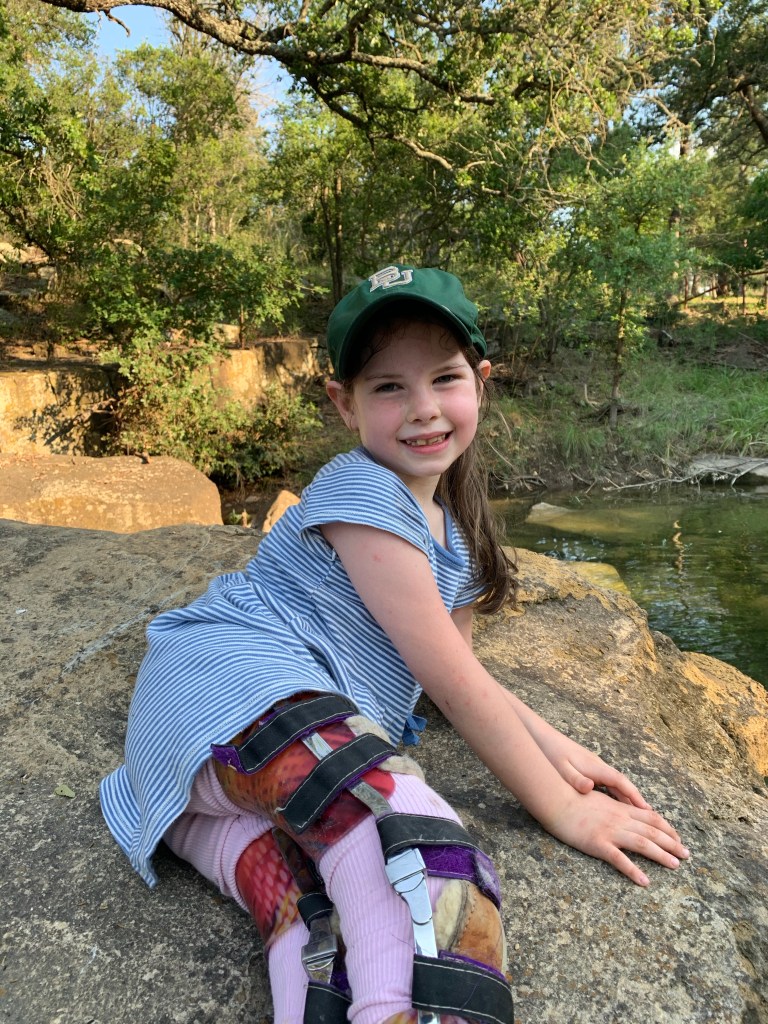
Once Helena returned to the traditional classroom setting, we started seeing some behaviors we hadn’t seen since Pre-K. Helena held it together throughout the school day but would frequently throw huge tantrums in my classroom after school.
When these things happened in Pre-K and after daycare, we just thought these were fairly normal for her age. And to a degree that was partly the case; but not entirely.
We went to see Helena’s neurologist this past December for her annual appointment and we mentioned her fits to the doctor. As she checked her, she picked up her braces and became concerned. She said they were too heavy – that these were wearing her out and were very likely one of the reasons for her fits. She insisted that the braces must be made lighter.
The neurologist spoke with Helena’s orthopedic surgeon and orthotics staff were called in. While they were sympathetic- they said that the braces could not be made lighter. Orthotics recommended that she increase her use of assistive devices – crutches or a walker and her wheelchair.

We have spent the better part of Helena’s childhood pushing Helena to stretch, to challenge herself, and to do things herself. Slowing down was something we rarely discussed or thought about. It is also contrary to what you hear about physical activity in most cases. We were being told that Helena now needs to “learn her limitations” and slow down before she does damage to her body. This was the first time we had been told this by a doctor.
One lesson for living with AMC that has always been with us is to not limit yourself based on appearance or what you have never tried. A new and seemingly contradictory lesson we must now teach is to allow yourself to be vulnerable and accept when you need to slow down. That is a hard lesson to learn for anyone – but definitely for Helena. In the words of one of her teachers, “You can’t teach a kid to have her kind of drive. They just have it.”
We have spent a lot of time recently reevaluating how Helena spends her energy and what she eats. She has had a wheelchair available for long distances and uses it when needed so that she can save her energy for when she gets to where she’s going. She does not like using assistive devices very much, because she feels it further separates her from being like her peers.
We are working on finding the right balance of slowing down and pushing through to pace herself so she doesn’t wear out at the end of the day. Sometimes, we have to make her slow down. At other times, we still push because it is in her best interest to keep going. Because Helena is so young, she sometimes wants to go when she should rest and rest when she doesn’t want to do something. We are having to consider these decisions more carefully in order to help her learn to evaluate her own energy levels.
Helena will be having a new appointment her neurologist this Friday. We expect that her braces will be further discussed then, and we are pretty sure she will be getting a new pair of braces soon because she is outgrowing her current ones. Hopefully they will have some new ideas on how to lighten them. We also realize that we have begun to move toward a new phase in her medical care. We are at a point where we need to teach her about striking a balance between independence and acceptance of when she needs to slow down. Please continue praying for Helena as we help her find the right balance.

AMC Awareness Month

June is AMC awareness month. On June 30, people all over the world who have been affected by AMC will wear blue to increase awareness of this rare condition. If you know Helena, I encourage you to wear blue for AMC!
Helena’s condition, Arthrogryposis Multiplex Congenita is a rare condition that causes three or more joint contractures in two parts of the body. We first discovered that there was something going on with her joints during my pregnancy at our routine mid-pregnancy ultrasound. Many babies are not detected before they are born – and many mothers are asked to terminate their pregnancies when this information is discovered. We are thankful to have had doctors who were not of this mindset! Learn more about this experience in this post: Perfection Redefined
Typically, it is said that AMC affects every 1 in 3,000 births. With some variants of the condition, it may even be closer to 1 in 10,000. AMC is not considered to be a disease or syndrome, but rather a condition caused by another health problem or environmental factor.
There are many reasons AMC might occur. There may not be enough room in the mothers womb, and limited movement may be the cause. There is research to suggest that certain nerve activities that occur in fetal development may have been delayed, causing contractures. The condition can be caused by a maternal illness or genetic factors. For this reason, AMC is different in every child who has it. No two kids are the same.
We found out in December of 2019 that Helena’s AMC was likely the result of a genetic condition. We are still learning what this means for Helena’s plan of care.

The Season of No
As a public school music teacher and the mother of kids who are learning remotely (while I work in-person), this school year (and all of 2020) has been one of blessings and of challenges.
I believe in being a part of community. I will be the first to say that I believe that it is a healthy practice for my kids to be in a school classroom with other kids. I believe in keeping kids active in school culture and the community in which they live. And as community members, I want my kids to flourish and grow.
But this school year for us has been a season of no.
No to in-person learning.
No to extracurricular activities.
No to eating out since March 2020.
No to casual shopping in a store.
No to large gatherings of any kind – including church.
No to family gatherings where more than 9 people or two households will be meeting.
No to Christmas dinner with extended family.
No to seeing smiles unless they are close contacts.
No to traveling anywhere but home.

One day, I was speaking with a friend who was frustrated by the lack of consistency in Covid rules. I agree that in many ways there are inconsistencies – but I explained to them that at our house we work to be very consistent.
We do ALL of the things:
We do not go out unless we have to. When we do, we immediately shower when we get home. We quarantine our clothes. We quarantine any goods we receive. We mask up around anyone we don’t have in our “living circle.” We, quite honestly, aren’t socializing outside of our family circle.
My classroom Covid-19 procedures are, for the most part consistent with what I do at home, as well. We try to consistently wash hands or sanitize at the beginning and end of every class. We sit nearly 6 feet apart. My passing periods are spent spraying chairs and washing my hands to do it all over. If we use instruments, they are all sanitized or quarantined for 2-4 days before reuse. As a school district, we all wear masks and have done well working together to maintain a safe environment.
Our motivation for having Helena and Rebecca in remote learning is neither a political statement or done out of fear. Our motivation is to ensure Helena stays well.
Helena is doing very well! However- her condition is incredibly rare, only occurring in 1 in 3,000 births. When a specific genetic condition is pinpointed, AMC tends to be even more rare. In addition, Helena’s doctors tell us that even among kids with similar genetic mutations, Helena’s condition is quite a bit different. We don’t know much about Helena’s genetic factors – we just learned of them in December of 2019. What we do know: Helena has AMC caused by a genetic factor that also causes other medical issues.
What does this mean?
Doctors really don’t know much about her condition. They have very few examples of kids like her who have been sick with COVID-19, and most, like Helena, do seem to be kept at home. This makes doctor recommendations a little more unreliable in that they don’t have the scores of data available on kids with genetic conditions. They have to make an educated guess.
I do believe the medical community is doing the best they can to rise up to an enormous challenge, and I love Helena’s doctors. But as far as recommendations on what is best right now, it is really hard to place complete trust in a physician. There simply isn’t enough data.
For that reason, we feel it is best to go with what we feel God is telling us to do. For us, this means that for now, we need to continue in the “Season of No” until the right next step appears.
When will that be? I wish I knew.
There are many times when I find myself lamenting and sad over this time. I hate how limited we are at times. I (more than) sometimes hate being “different” from the status quo.
And yet…
I know as a Christian that a “Season of No” can be an opportunity to grow in Christ. And this has been true for our family.
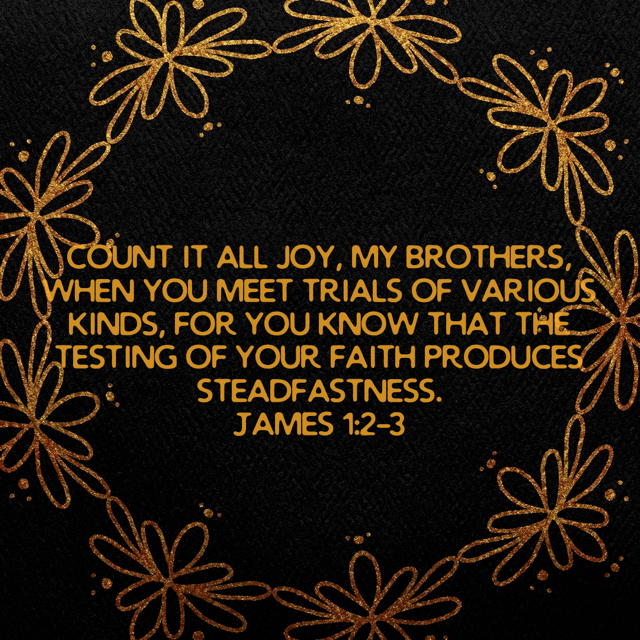
We have had to learn to be more reliant upon God, and as we have done so, we have been given the opportunity to take stock of what is important.
We have learned that God’s best for us is not always the same as what His best is for others. We knew this before – but now, we are truly living it.
We have learned that some things in our lives we felt were right but didn’t make sense were put into motion for a reason. (And we have marveled at this.)
We have learned that when we do what God feels is best for us, people sometimes get upset. To us, our response to the pandemic is not political. However – inclusive of all political persuasions on the pandemic, we have had people of all types of beliefs upset with us. If we are trusting God, however, we are still on the right path. We must continue to trust Him first.
I have personally been reminded that my greatest fear is disappointing (losing) people with my choices. The times when I feel the most stress is when I feel I have disappointed others; but to do the right thing, I must attempt to trust God and let this fear go.

In addition to these lessons, there are other blessings we have encountered:
Our family has been able to simplify and enjoy one another more. We eat dinner together every night. At a certain time each evening, chores and all housework comes to a close and we spend some time together.
We are able to sit and enjoy church together as a family online. A couple of weeks ago, we sat on our front porch as the snow fell and listened to our worship service. Helena discusses how much she loves the pastor, and calls the music minister by his first name.

Helena has never met the pastor or the music minister in our church- nor has she been in an adult service – she has always been in Sunday School while worship is going on. She is paying attention – and despite our circumstances, Helena will be ready to attend worship when we are able to return.
We have been able to save money and eat more healthily by not eating out or going places as much. This is something we hope to continue. While it seems convenient to eat out, the time it takes is often a trade-off for much needed rest at home.
We are reading a lot more. I have already completed 5 books for 2021. My goal for the year was originally 25 based on previous years. I think I may need to up it! Helena has read well over 100 books since December 15.
In the evenings instead of watching television, we spend our time listening to audiobooks. We are on our second and third ones of the year and will finish them both this week.
Our “Season of No” has been a time for reflecting and making adjustments to many things in our lives. From our finances and the possessions we hold on to, to our faith and beliefs, we are delving deeper and making more meaningful decisions. And slowly – we can breathe easier.
We know that when the time is right, our lives will get busier. Our high school freshman has sacrificed much this year in the way of social activities with friends and extracurricular activities. It makes me sad that she has not been able to have some of these things. And yet- we know that these things will come back into her life soon- and we hope that she is able to enjoy them more fully when they do.
As we push ahead in the year 2021, I hope to see that our “Season of No” will prepare us and develop us as we make way for a better time in life. But as we journey along – we strive to enjoy the blessings of being together.

Faith Informed Action
In December, Stuart, Helena and I went to Dallas to see Helena’s neurologist. A few months earlier, we did whole genome sequencing to look for possible causes of her condition. After a long wait, the results were finally back.

Almost every person has some genetic mutations in their makeup. What is more rare is when those mutations work together to cause a medical condition like Helena’s.
Helena has a genetic mutation from both of us that contributes to her condition. This genetic condition can cause muscle weakness, contractures, and cardiomyopathy.
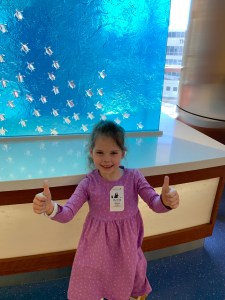
Based on this information, we visited a cardiologist in January. We had an EKG, and after the results were in, we were relieved to find out that Helena’s heart is fine for the moment. We will go back for a follow up in 2 years unless something new comes up.
No one can determine when cardiomyopathy will show up – just that it is a likely possibility to eventually occur based on this testing. Along with genes, external factors like illness can play a role in when this happens.
In February, Covid-19 started spreading in the US.
My husband had been watching information about this virus since December out of personal interest because of an early news story he heard. He has some experience working in the chemistry lab of a pharmaceutical company. He understands pretty well the potential harm a new virus can cause, and was a little concerned about this report.
I was more in a state of concerned denial. In February, I went to my work conference in San Antonio, mostly unconcerned about any sickness other than the flu. I had a rough bout of the flu or an illness similar to it in December. I didn’t want to feel like that again, so I avoided being in large crowds like the food court as much as possible. All of my sessions were packed with participants, as always. After I returned from my conference, I heard of a woman with this virus going through a San Antonio mall.
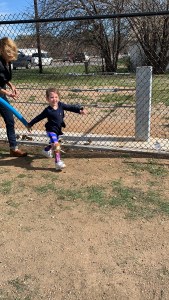
In March, we had planned to go to a car show that benefitted Scottish Rite Hospital. As the virus progressed, we thought it might not be a good idea to go. There were too many unknown factors about the virus, and seemed to be too many people traveling when they could avoid it. It still bothered me to hear that people were stocking up on groceries and supplies. By the end of our Spring Break, most schools and universities had closed and Stay at Home orders were being issued.
Our effort to follow the Stay at Home Order was mostly out of a proactive concern for our parents, and just a mild concern for Helena. After about a month of being home, however, I read a newsletter from an advocacy group for Helena’s condition discussing hydroxychloroquine, which was a hot topic at the time.
In this letter, two cardiologists were weighing in on the dangers of hydroxychloroquine. Both agreed that for high risk populations, (such as this genetic condition), this drug should not be used due to potential heart problems that outweigh the drug’s benefits.
So my curiosity was piqued. Was Helena actually considered high-risk because of this new diagnosis? We decided to check with her neurologist to make sure. We were not all that concerned, but didn’t want to be caught unaware.
The next day, I contacted her neurologist’s office and inquired about her status. The nurse responding to me didn’t seem too concerned, either. However – I when I got a message back, this was what the doctor said:
“The doctor has stated she is recommending all of her patients stay home from school until August.”
At that point, the Stay at Home order became more significant for our family. The more we researched her genetic results and considered all of the information we currently have about Helena’s condition, we knew that we would really need to continue social distancing for longer than others. Helena is doing very well right now, and we don’t want this to change because of poor choices.

I have been seeing a lot of people recently posting things about the Pandemic in social media like “Faith Over Fear.” I know that this sentiment is partially being shared because of the frustration with media coverage of the virus. However, it bothers me a lot when I read these posts.
I tend to weigh most decisions on my faith, and many people might even say I rely too heavily on my faith. My decisions regarding Helena’s condition are always made with a mixture of prayer and good information- which I believe God is providing to us through excellent doctors. One thing we do know – doctors do not always have all of the answers when it comes to rare conditions, and are many times dead wrong. Faith is required.
That being said, I believe this is not the best message that Christians could be sending out to the world right now. This virus is real – and at this point has killed over 477K people and infected over 9 million. We should be concerned and looking for ways to support those affected and at highest risk. We should be thinking about our own family members, and it is NOT fear to base decisions on the information we have.

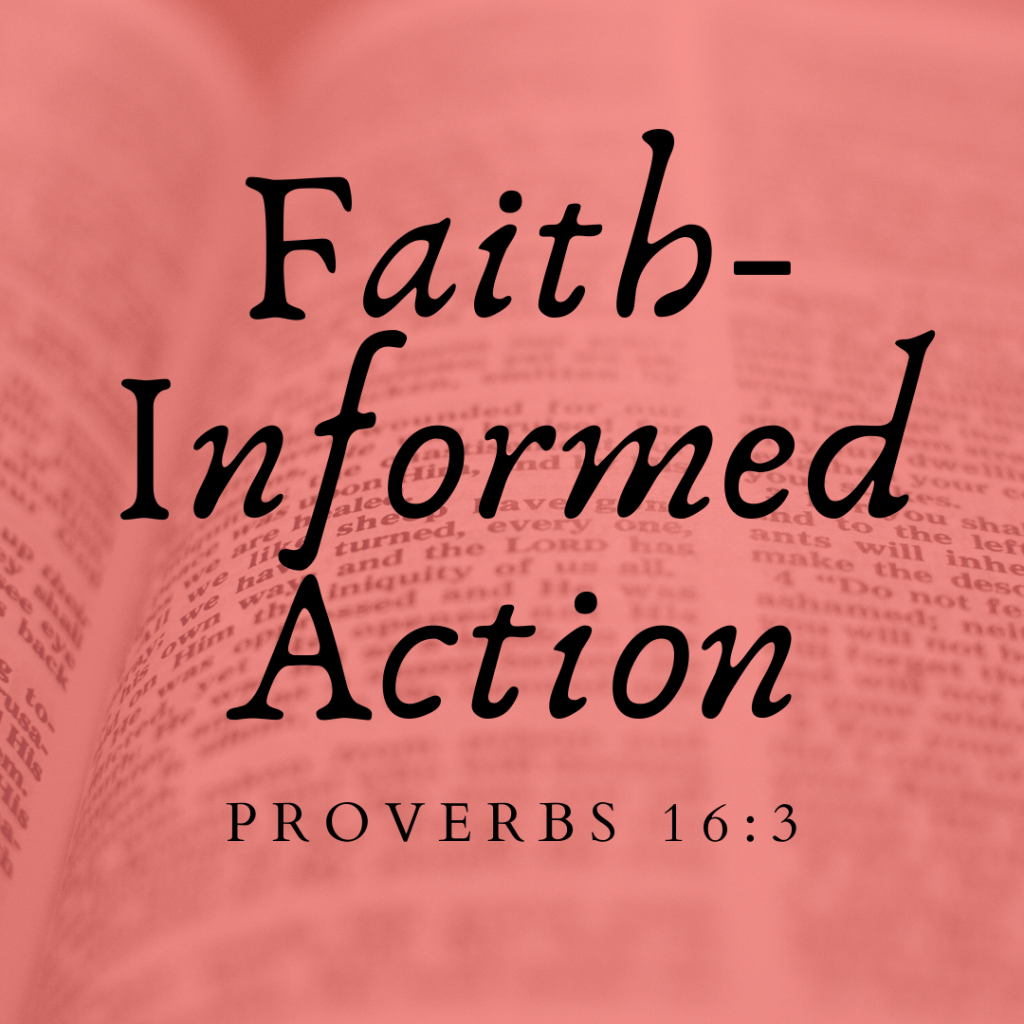
At this time, I believe Christians should instead be promoting “Faith-Informed Action.”
In Proverbs 16:3, it says “Commit your works to the LORD, And your thoughts will be established.”
Christians should be seeking God’s Will through scripture and prayer for their own personal circumstances and for opportunities to serve those around them. Every person’s situation is unique and requires close examination.
Now that it is mid-June and Stay at Home Orders have been gradually lifted, people seem to be in this odd place – one where many are out and about, but others still need to remain cautious and stay home. There are valid concerns for those who need to be cautious. Where I am, the number of infections is starting to rise sharply again. Along with this, I see no consistency in the way social distancing is being handled.
How does someone go from staying at home – to safely social distancing? And what if someone works or needs to interact in the community with a high-risk family member at home? How are at-risk family members kept safe? Here are my thoughts:
1. Set your family goals based on the needs of its members.

Credit: Sarah FoyeOur family’s plan is to stay at home as much as possible until we have to go back to work on site. When out, we will continue to social distance. For us, there is no reason not to continue social distancing right now – and Helena deserves our protection. It is our job as parents to set in practice the best way to keep family members healthy. Others may not have these risks and that is fine. We do- and we should be taking them seriously.
2. Showing kindness and empathy to everyone.
I am sure there are many who are having to return to work or have been working as essential employees who are vulnerable to sickness or have to work in high risk areas. There are many who have lost jobs or have had other difficulties during this time.
Every one of us have been dealt a situation that is unprecedented in history during our lifetimes. We should be slow to speak, slow to get angry, and quick to listen. And if we can meet a need – we should try to be supportive and help in ways we are able.
What we should not do: dismiss others’ concerns as wrong because they are not our own concerns.
3. Be open to being vulnerable, yet remain strong.
Anyone who truly knows Helena knows this – she is fiercely independent. Our main arguments with Helena tend to be over her desire for independence and how that desire collides with our understanding of her vulnerabilities. We don’t limit her much physically – but often we have to set boundaries when it comes to behavior and safety.
To state that we are staying home “out of fear” is absolutely wrong. Helena needs to continue to stay home because that is what is best for her at this time. We need to support her by doing this while we are able to do so.
The past few weeks have been difficult for me personally in terms of seeing the differences in philosophy on the handling of Covid-19. I have been especially guarded about discussing our family’s situation because of prevailing opinions in my area over the seriousness of the Pandemic. It has made me sad to disappoint a number of people I care about by having a differing viewpoint. There is a lot of unkindness in this world right now. There also seems to be little tolerance for differing beliefs – or even just being different.
The Covid-19 Pandemic is very real for us and could be life-changing for Helena if handled carelessly. Seeking God’s will is very important when so many people and bureaucrats are weighing in with their opinions. The care Helena receives or does not receive at this time rests solely with the decisions we make as her parents.
Even though many seem to be going back to business as usual, it is our belief that our family needs to continue social distancing practices. We have to stand strong on this decision. I am praying that the virus will weaken or that something else will happen soon to allow children with health risks to attend school without concerns over health. Our job is to protect Helena.

Staying at home has created difficulty for many who need to work. There are many families with at risk members who need to stay home, and we are living this situation at the moment. There are people who need to work and have to even though they should be staying home due to health risks. I just hope that as people return to normalcy, everyone can remember empathy toward those who need our protection or support. Christians should take most seriously the responsibility to love others.
You may not agree with everyone – but you can always be kind.

 Without a Paddle
Recent Comments